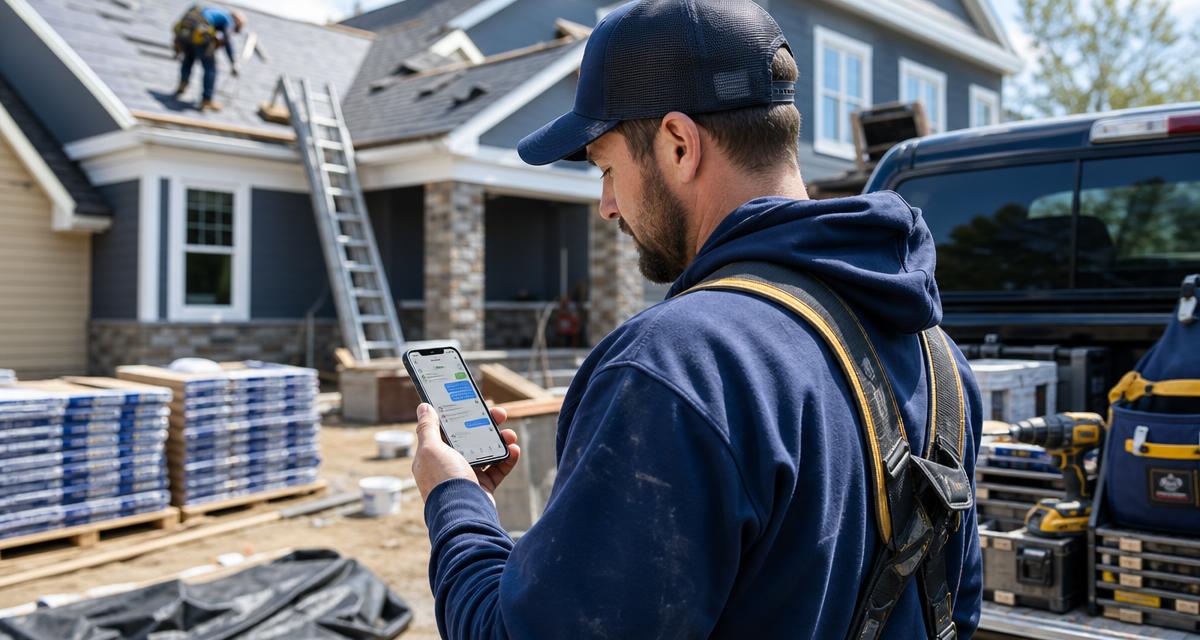
A new lead comes in, you call back within a few minutes, leave a voicemail, maybe send a quick text. Then you wait. A day goes by, then two. No response. You tell yourself the prospect wasn't interested, and you move on. But that prospect may not have been uninterested at all — they may have been at work, driving, or waiting to discuss the project with a spouse. A single unanswered call does not mean no. It usually means not right now.
The problem is not that you called once. The problem is that you stopped there. Let's walk through why good leads go cold and what a consistent follow-up system looks like — without making you sound like a telemarketer.
The lead didn't say no
When someone fills out a form or calls your business, they have raised their hand. That is a buying signal, but it has a shelf life. A homeowner fills out forms on two roofing websites, then puts the phone down because the kids just got home. The first roofer calls once, leaves a voicemail, and never follows up again. The second roofer calls, texts, and emails over the next few days with a calendar link. The first assumed silence meant no. The second understood that silence usually means busy. That difference is worth more than any advertising budget.
Why leads go quiet
- They are at work and can't take a ten-minute call.
- They are driving and forget to call back once they park.
- They are comparing options or discussing the project with a spouse.
- They simply forgot. A text scrolled away during a busy moment.
None of those mean the lead is dead. They mean the lead is a normal person with a full schedule. The businesses that win stay politely visible while the customer sorts through their week.
The one-and-done follow-up problem
The one-and-done approach is the most common follow-up mistake in local service. Someone calls a new lead once, leaves one voicemail, and if nobody picks up, they move on. The lead gets filed under not interested and never touched again. This is where real money gets left on the table — many customers who end up hiring were not ready to talk on the first attempt. When you stop after one attempt, you hand those jobs to a competitor willing to try one more time.
An excavator gets a lead for a driveway removal. He calls once on a Tuesday, gets no answer, and drops it. The homeowner was on a job site and forgot to call back. By Thursday she hired someone else — the company that texted a second time with a simple question about property access. That second touch was not pushy. It was helpful. And it won the job.
What consistent follow-up looks like
Consistent follow-up does not mean calling five times a day. It means having a plan that uses more than one channel and gives the customer easy ways to respond on their own time:
- A phone call within minutes of the lead coming in. Speed to lead gets the conversation started.
- A short text if the call goes unanswered, asking what the customer needs.
- An email with your info, a scheduling link, and a note about what happens next.
- A CRM task that tells whoever owns the lead exactly when to follow up next.
Each touch builds on the last, and the CRM task makes sure someone follows up again in two days if there is still no response.
Follow up without becoming annoying
A fair concern: won't consistent follow-up make me look pushy? It won't, as long as the messages are short, useful, and spaced out. Good messages sound like a person, not a script — they ask a useful question, offer something concrete, and respect that the customer might be busy. A simple spacing plan: reach out on day one, follow up on day two or three, check back around day five, and send a final note around day seven. After that, move the lead to a nurture list instead of deleting it. Most jobs are not lost to a competitor on day one — they are lost to silence on day four.
Automation should handle the repetition
Here is the hard truth about manual follow-up: it works great until you get busy. And in a service business, you are always busy. A roofer on a roof, an excavator running equipment, a plumber under a sink, a commercial cleaning owner coordinating crews — remembering to text a lead from two days ago is not realistic. It is not a priority problem, it is a bandwidth problem.
This is where automation earns its keep. A well-configured system can send the day-two text, the day-five email, and the appointment reminder without anyone having to remember. It can create CRM tasks so that when you sit down at the end of the day, the follow-ups you need are already listed in front of you. The repetition gets handled by the system. The real conversations stay with you.
Don't forget about estimates
Follow-up does not stop when the estimate goes out. The period after a quote is sent is one of the most common places service businesses lose jobs. A landscaper drives out, walks the property, measures it, and spends an evening pricing materials. Then the estimate goes out by email and nothing else happens. The customer gets distracted and hires the company that checked back with a simple question.
An estimate is not the end of the follow-up process — it is the middle. After a quote goes out, there should be a planned check-in: a text two days later, an email at day five, and a final call around day eight. Many businesses spend hours quoting, then lose the job because no one created a process for checking back.
Keep every opportunity visible
You cannot follow up on leads you have forgotten about. This is why a CRM or lead pipeline matters — one place where every opportunity lives and shows its current stage:
- New leads that just came in
- Contacted leads waiting for a response
- Estimates sent and waiting
- Follow-up required — leads that need a next touch
- Won jobs
- Lost opportunities, with a reason if you have one
A simple follow-up system
A simple, repeatable process beats a fancy one nobody follows:
- New Lead — a form submission or call comes in
- Immediate Response — an instant text or call within minutes
- Personal Contact — a real person reaches out to understand the job
- Follow-Up — a scheduled second and third touch if there is no reply
- Appointment — the customer books a time to meet
- Estimate — the quote goes out with the details
- Estimate Follow-Up — a check-in after the quote is sent
- Won or Lost — the job is booked or the lead is closed out with a reason
Every opportunity should have a clear next step. If a lead is sitting in your system with no next action assigned, it is in a gray zone — and gray zones are where leads go to die.
Key takeaway
A lead should not disappear simply because they did not answer the first time. Most prospects are not saying no — they are saying not right now. A dependable follow-up system keeps those opportunities visible and makes sure someone reaches back out until the timing lines up. Speed to lead gets the conversation started. Consistent follow-up keeps the opportunity alive. Put the two together and you stop losing jobs you already earned the right to quote.
Speed to lead equals revenue. The first response opens the door — consistent follow-up is what walks the customer through it.
Stop Losing Leads. Start Building Better Systems.
MainStreet Systems helps local service businesses capture leads, respond faster, automate follow-up, stay organized, and turn more opportunities into booked revenue.
Get My Free Business Assessment