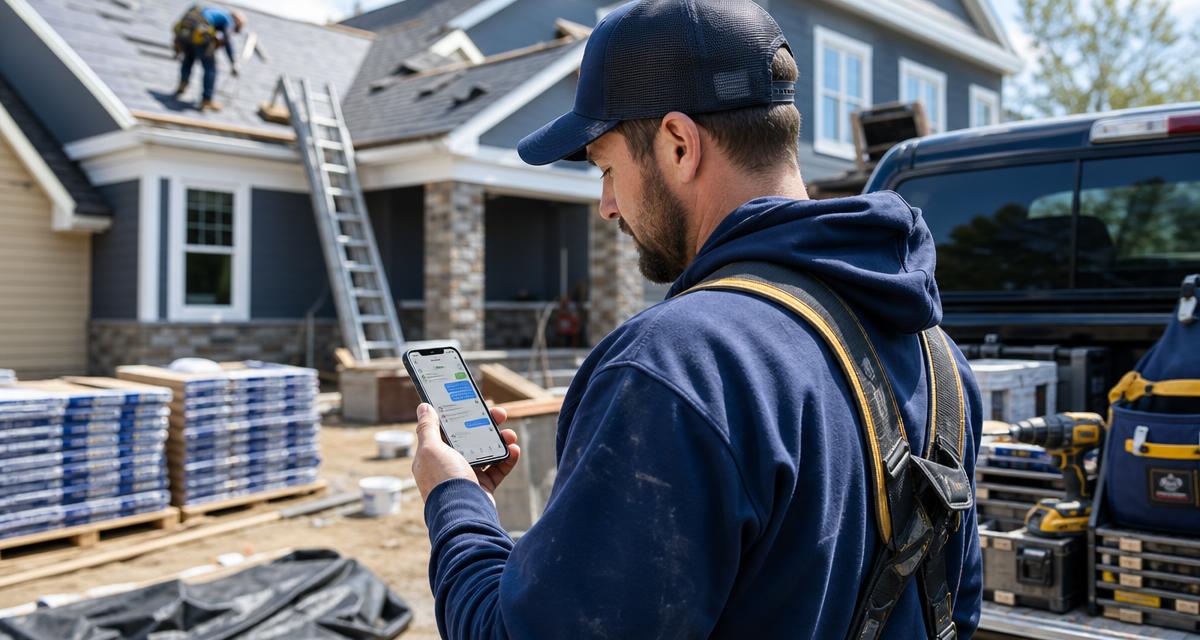
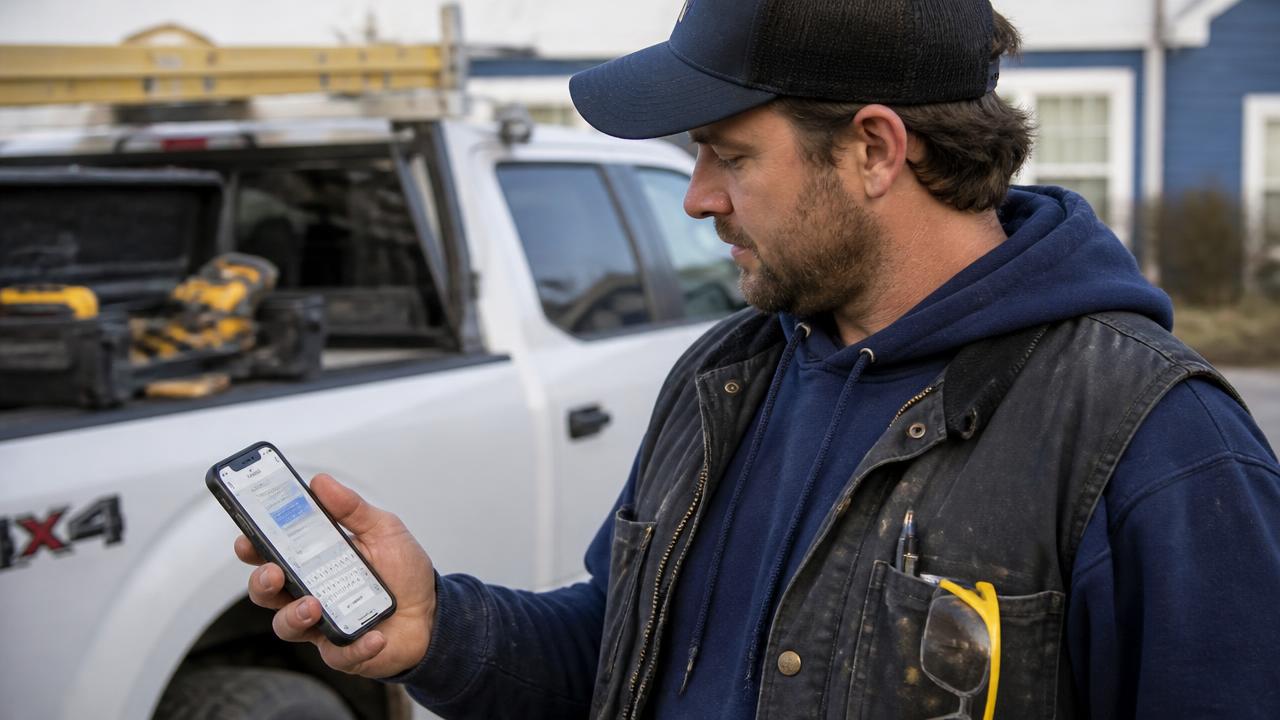
The Estimate Isn't the Finish Line: Why Quote Follow-Up Matters
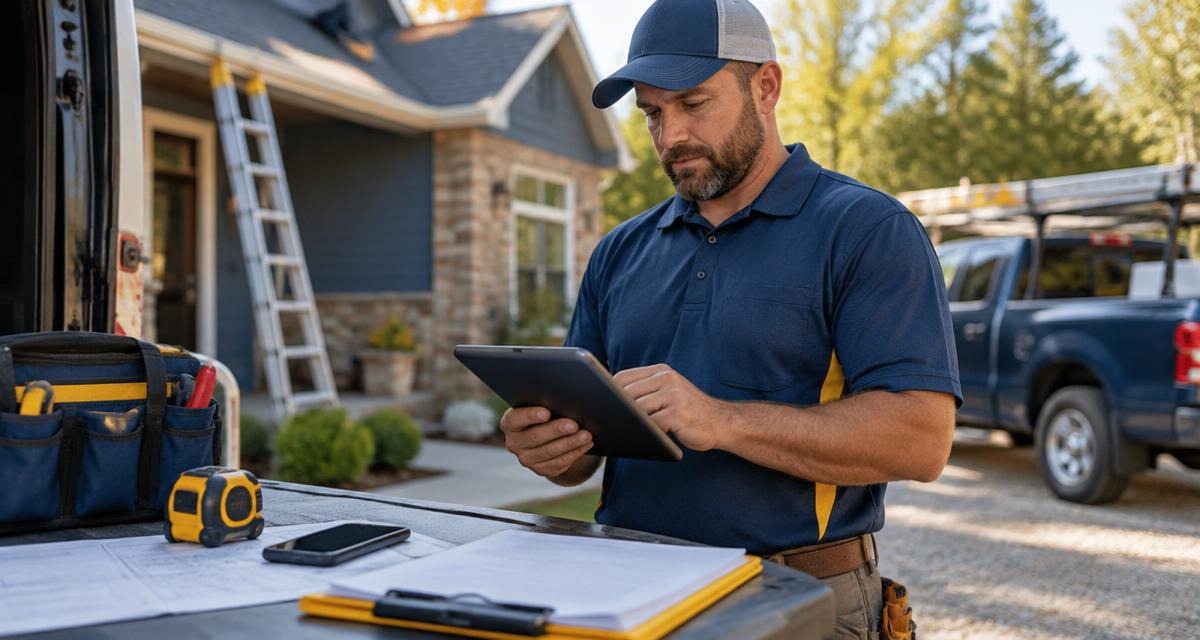
Sending an estimate can feel like the finish line. You visited the property, listened to the customer, measured the job, priced the materials, checked your calendar, and put the quote together. After all that work, it is easy to hit send and move on to the next fire.
But the estimate is not the end of the sales process. For many local service businesses, it is the point where the opportunity becomes most vulnerable. The customer has enough information to decide, but they may not be ready to decide today. If your business sends the quote and disappears, you leave that decision to chance.
Sending the estimate is only one step
A quote represents real work. A roofer may spend an hour inspecting a leak, another hour building the proposal, and more time checking material pricing. An excavator may review access, slope, haul-off, and equipment needs before pricing the job. A commercial cleaning company may walk the building, count fixtures, estimate labor, and write a detailed scope.
That effort deserves a follow-up process. The estimate being sent should trigger the next step, not close the file. Until the customer says yes, no, or not now, the opportunity is still open.
Why customers don't always respond immediately
Silence after a quote does not automatically mean the customer rejected it. They may be comparing options, talking with a spouse or business partner, reviewing the budget, checking financing, waiting on approval from a property manager, or trying to schedule around work and family. Sometimes they simply opened the email during a busy moment and forgot to respond.
Service business owners live inside the job every day. Customers do not. A homeowner who asked for a fence repair may also be dealing with kids, work, insurance, and two other house projects. A short, helpful reminder can bring the decision back to the surface without making the customer feel pressured.
The cost of send it and forget it
The send-it-and-forget-it approach is expensive because it wastes the hardest part of the sale. You already earned the inquiry. You already spent time understanding the job. You already built enough trust for the customer to ask for pricing. Letting the quote sit untouched is like driving ninety percent of the way to the destination and turning around.
A plumber may inspect a bathroom remodel, email the quote, and never check back. Three days later the customer hires the company that sent a simple text asking if any questions came up. That second company may not have been cheaper. They were just easier to continue talking to.
What good estimate follow-up looks like
Good contractor estimate follow-up is not begging for the job. It is helping the customer make a clear decision. The first follow-up confirms that the estimate was received. The next one asks if they have questions. Another can offer to review the scope by phone. A later message can remind them about scheduling, timeline, or the next available start date.
The tone matters. Keep it short, conversational, and specific. Instead of saying, just checking in, say: I wanted to make sure you received the driveway quote. If you want to adjust the gravel depth or timing, I can walk through that with you. That kind of message gives the customer a reason to reply.
How often should you follow up?
There is no perfect schedule for every trade, but most service businesses need more than one touch. A simple quote follow-up cadence might look like this: confirm receipt the same day, check for questions two days later, follow up again around day five, and send a final decision reminder around day ten or fourteen. Larger commercial or specialty projects may need a longer timeline.
The key is spacing. Multiple messages in one afternoon feel pushy. A few useful touches over a couple of weeks feel organized. If the customer replies at any point, the automated sequence should stop and a real person should take over.
Use text, email, and phone together
Customers miss messages in different places. Some homeowners live in text. Some property managers prefer email because they need a written record. Some jobs need a phone call because the scope is too detailed for a message thread. A strong lead follow-up system uses all three without overdoing any one of them.
Text is useful for quick reminders. Email is useful for the estimate itself and detailed notes. Phone calls are useful when questions, objections, or changes need context. Together, they make it easier for the customer to respond in the way that fits their day.
Automation should remind the team, not replace the relationship
Automated follow-up can help tremendously, but it should not try to close the sale by itself. The system should send simple reminders, create tasks, and make sure open estimates do not disappear. The relationship still belongs to the business owner, estimator, or salesperson who understands the job.
A landscaper can let the CRM remind him to check on Tuesday's patio quote. A welder can get a task to call the shop owner who has not approved the railing estimate. A cleaning company can trigger a polite email after a walkthrough proposal. Automation handles the repetition. People handle the conversation.
Know which estimates are still open
You cannot follow up on estimates you cannot see. If quotes live in email threads, paper folders, spreadsheets, and one person's memory, open opportunities will slip. A service business CRM should show every estimate that is out, when it was sent, who owns it, when the next follow-up is due, and whether the customer has replied.
That visibility changes how the business feels. Monday morning is no longer a guessing game. You can look at open quotes, prioritize the best opportunities, and make sure every one has a next step before the week gets busy.
A simple estimate follow-up workflow
A practical workflow can be this simple: Estimate Sent → Confirmation → Follow-Up → Questions Answered → Decision → Won or Lost.
Estimate sent means the quote is delivered and logged. Confirmation makes sure the customer received it. Follow-up keeps the conversation alive. Questions answered gives the customer confidence. Decision moves the job forward. Won or lost closes the loop so your pipeline is honest.
Every open estimate should have a clear next step. If nobody knows when the next follow-up happens, the estimate is not being managed. It is just sitting there.
The key takeaway
The estimate is not the finish line. It is a major step in the contractor sales process, but the job is not won until the customer makes a decision. A structured estimate follow-up process keeps open quotes visible, helps customers move forward, and prevents good opportunities from fading away because everyone got busy.
An open estimate should never disappear simply because the customer needed time. Give every quote a next step until it becomes won or lost.
Stop Losing Leads. Start Building Better Systems.
MainStreet Systems helps local service businesses capture leads, respond faster, automate follow-up, stay organized, and turn more opportunities into booked revenue.
Get My Free Business Assessment