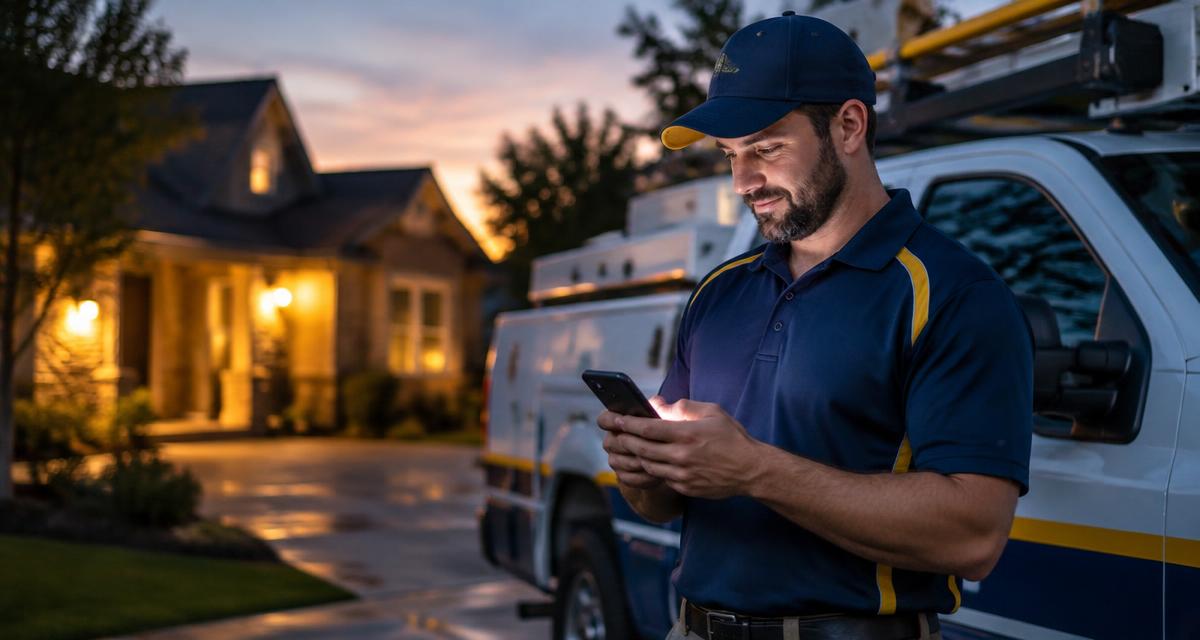
Your Website Isn't Your Business System — It's Just the Front Door
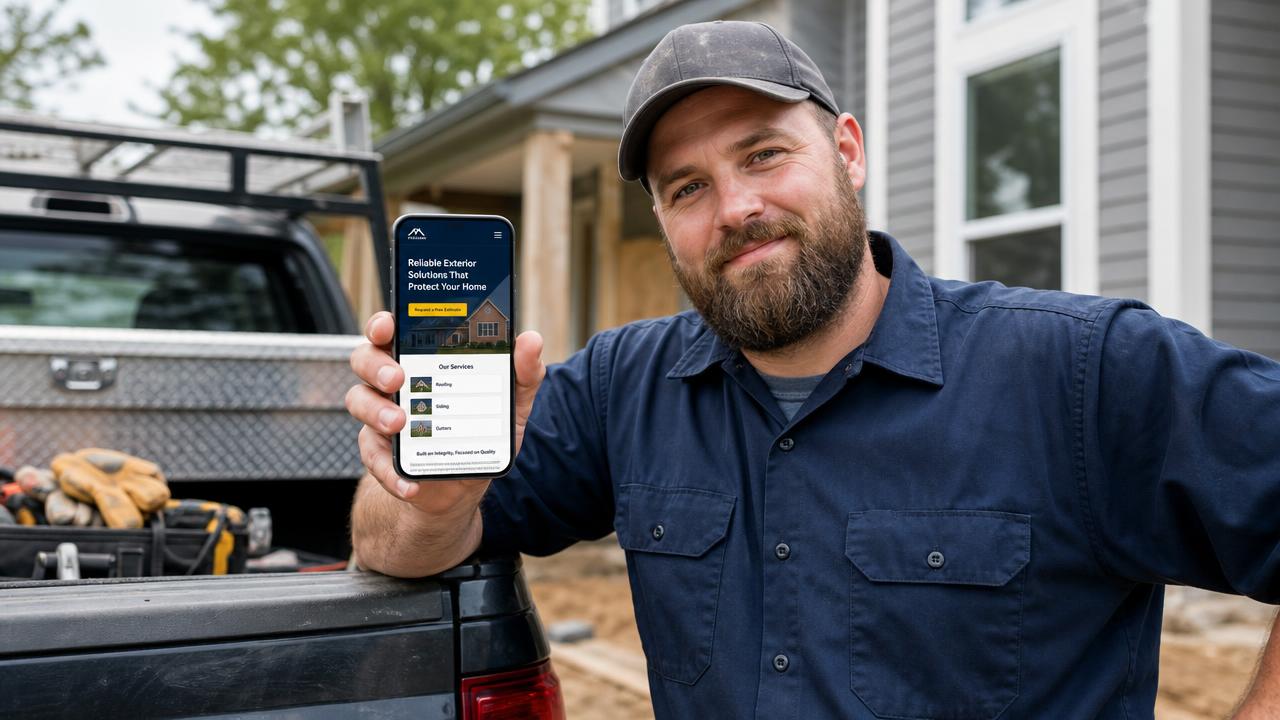
Most owners we talk to have already solved the website problem. The site looks sharp, the services are listed, the phone number is at the top, and there is a Request a Quote button on every page. That is real progress, and it took real money.
But a website is the front door. It gets people to knock. Everything that decides whether that knock becomes a booked job happens on the other side of the door — and for most service businesses, that side was never built.
Your website has one main job
A good site builds enough trust that a stranger takes an action: calls, fills out a form, requests an estimate, or books a time. That is it. Credibility in, inquiry out.
Judged on that job, plenty of contractor websites are doing fine. The leads arrive. The problem shows up thirty seconds later, when nobody can say for certain where that lead just went.
What actually happens after someone clicks "Request a Quote"?
Walk through it honestly for your own business. A homeowner submits a form at 2:15 on a Tuesday afternoon:
- Where does that lead go — an inbox, a spreadsheet, a form notification, or a CRM?
- Who gets notified, and on what device?
- How many minutes pass before a real human replies?
- Does the customer get an instant confirmation so they know they were heard?
- Is the lead recorded somewhere you can find it next week?
- Who owns the follow-up by name — not "we all do"?
- What happens if they do not answer the callback?
- What happens after the estimate is sent and they go quiet?
If any of those answers is "it depends who's around," you do not have a system yet. You have a website and a habit.
Where service businesses lose opportunities
The losses are rarely dramatic. Nobody notices a lead die. It just quietly stops moving:
- Form submissions land in an inbox that gets checked at the end of the day.
- The phone rings while you are on a roof, and the caller moves on to the next name on the search results.
- No text goes out immediately, so the customer assumes you are busy or closed.
- Leads are scattered across email, voicemail, Facebook messages, and a notepad in the truck.
- Nobody is specifically assigned to follow up, so everyone assumes someone else did.
- Estimates get sent and never touched again.
- A prospect gets one call, does not answer, and is never contacted again.
- At month end, there is no clean way to see how many leads came in, or how many were won versus lost.
Speed to lead is revenue. The business that answers first usually gets to quote first — and the business that quotes first usually wins.
What a real business system looks like
A system is simply the connected path a lead travels from first contact to booked job. At MainStreet Systems we build it around this flow:
Website or lead source → lead captured → immediate response → qualification → human follow-up → appointment → estimate → follow-up → booked job.
In practice, that means your website is wired into the pieces that carry the work forward:
- A CRM that holds every lead in one place, whatever channel it came from.
- Lead capture from forms, calls, chat, and ads feeding that one place.
- SMS and email so you can reach people the way they actually reply.
- Missed-call text back, so a call you cannot take still starts a conversation.
- Automated follow-up sequences for the leads who need a few touches.
- Appointment scheduling that lands directly on the right calendar.
- Notifications to the person who owns the next step.
- Estimate follow-up so no quote sits untouched.
- A pipeline that shows exactly where every opportunity stands.
- Simple reporting: leads in, appointments set, jobs won, jobs lost.
None of that is exotic. It is plumbing for your business — unglamorous, and the reason water gets where it needs to go.
Automation does not replace the relationship
This is the part owners worry about, and the worry is fair. Nobody hires a roofer because of a clever autoresponder. They hire the roofer who showed up, explained the work, and seemed trustworthy.
Automation is not there to have the conversation. It is there to make sure the conversation still happens when you physically cannot pick up.
A roofer is on a steep pitch with a nail gun. An excavator operator is in the cab with the radio on. A plumber is on his back under a sink with both hands full. A cleaning company owner is rotating three crews across town. In every one of those moments a lead can come in, and in every one of those moments the honest answer is: I cannot stop right now.
The system covers that gap. The customer gets an instant text confirming their request and telling them when to expect a call. The lead is logged. The right person is notified. When you climb down, the conversation is warm instead of cold — and the human part, the part only you can do, still belongs to you.
Website vs. system
A website
- Creates credibility with people who have never met you.
- Explains what you do and where you work.
- Generates calls, forms, and quote requests.
A business system
- Captures the inquiry the moment it arrives.
- Responds immediately, day or night.
- Tracks the lead in one place instead of five.
- Follows up on a schedule rather than a feeling.
- Books the appointment on the right calendar.
- Tracks the estimate until you get a yes or a no.
- Turns the opportunity into revenue you can measure.
Both matter. They are just not the same purchase, and one cannot do the other's job. Spending more on the website will not fix a follow-up problem, the same way a nicer showroom does not fix a slow return-call habit.
The key takeaway
If you only change one thing this month, change what happens in the first five minutes after a lead comes in. Make the response automatic, make the ownership specific, and write the follow-up steps down so they survive a busy week.
Your website opens the door. Your system determines what happens after the customer walks through it.
Stop Losing Leads. Start Building Better Systems.
MainStreet Systems helps local service businesses capture leads, respond faster, automate follow-up, stay organized, and turn more opportunities into booked revenue.
Get My Free Business Assessment