
How to Set Up Missed Call Text Back for Service Businesses
Missed call text back sends an automatic text to anyone whose call you did not answer, within seconds, so they can tell you what they need while you are still on the job. It opens a conversation by text and leaves the rest to you. (source: forwardkonnect.com)
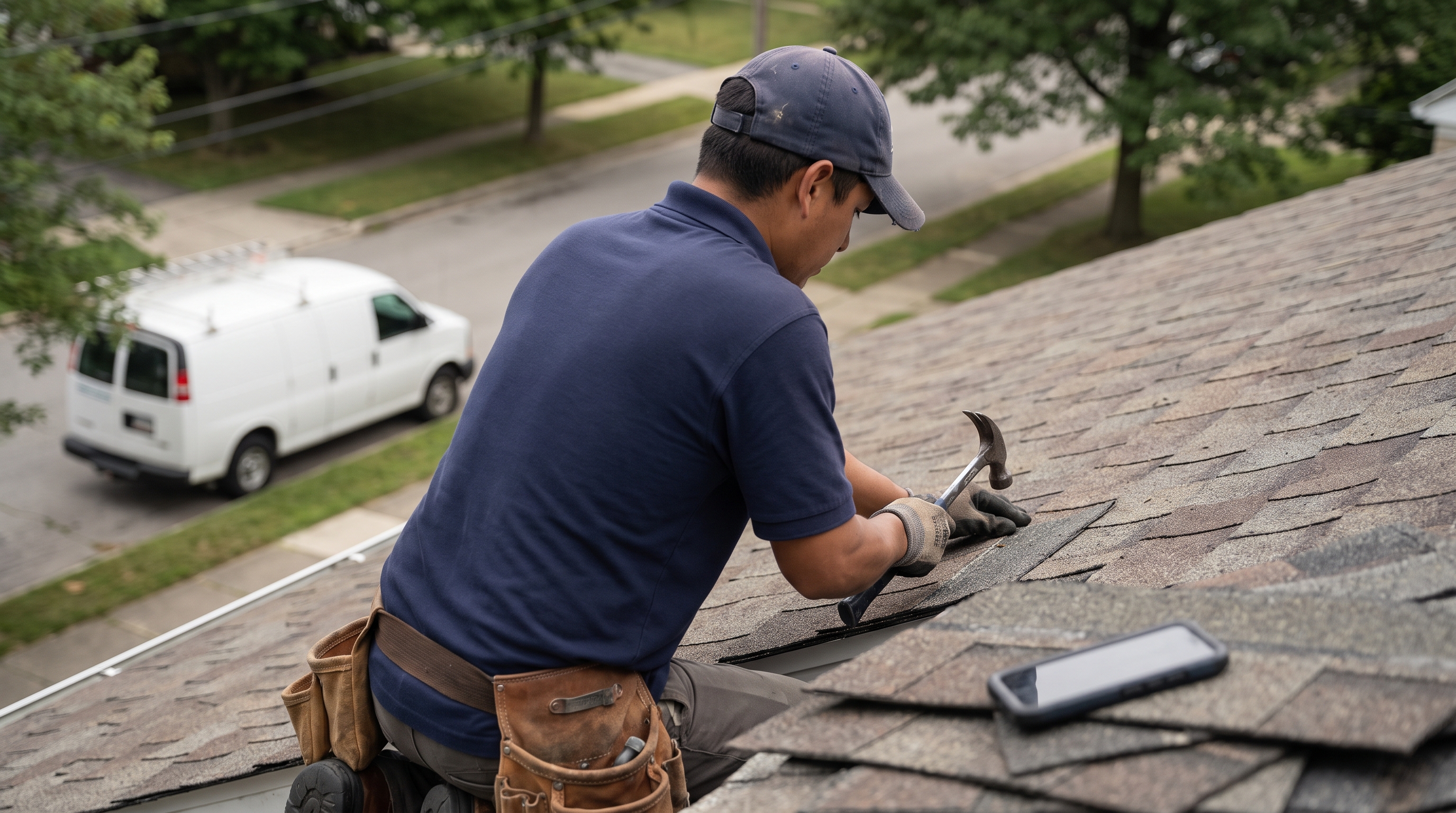
You are driving, in the field, or helping a customer when the phone rings. The caller who just hung up is your most expensive lost lead. They dialed. They did not browse a form. And you already paid, one way or another, to make that phone ring. Speed to lead starts at that missed call.
Why do missed calls cost you jobs?
Four in ten missed callers in one vendor's data hung up without leaving a message. In a 90-day look at about 1,700 inbound calls to 84 small business lines, Reach found that only 59% of missed callers left a voicemail, and the other 41% hung up and, for all they could tell, went elsewhere. That is one vendor's own data, so read it as a signal.
The second problem is what happens after the miss. In that same Reach data, only 6% of missed calls got any response within an hour. If your crew is under a house or on a roof, that number probably sounds familiar.
UBOTIKA's roundup of sourced figures reports that 28% of business calls go unanswered on average across the CallRail platform. Your own number could be higher or lower, and your phone log will tell you. We cover the wider cost in our piece on missed calls and missed opportunities.
What is missed call text back, in plain terms?
When a call to your business number goes unanswered, your system texts that caller automatically. Nobody on your team has to remember, and nobody has to put down a tool. The text goes out from your business number, so the reply lands in the same place as every other lead.
Treat it as the first step of a response. A text can ask for the address and the problem. Then a person has to read the answer and pick it up. Owners tend to skip that part when they first set this up, and it is where most of the value is won or lost.
You also do not have to replace your phone system to do this. In most cases the text runs on the phone system and CRM you already use, and the first job is to check what you have.
How do you set up missed call text back, step by step?
Start with the five decisions below. None of them needs a developer, but each one needs an answer from you before you turn anything on.
| Step | What you decide | Why it matters in the field |
|---|---|---|
| 1. Trigger | Which numbers count (main line, ad tracking numbers, the web form line) and which calls get skipped | A text to an existing customer who is mid-conversation with your office feels like a mistake |
| 2. Timing | Send within seconds of the miss, and set quiet hours for the middle of the night | The point is to reach them while they are still holding the phone |
| 3. Message | Business name, why you missed them, one question, one easy reply | A caller on a roof or in a driveway can answer one short question |
| 4. Owner | One named person who reads replies, with a backup | A reply nobody reads is worse than no text |
| 5. Test | Call your own line from a mobile phone and a landline and watch what happens | You find the gaps before a customer does |
In the trigger step, keep an eye on landlines. Forward Konnect warns that if your inbound calls are mostly B2B office lines, many cannot receive SMS at all and the filters will suppress most sends. A contractor who mostly gets homeowner mobile calls will see less of this. A firm that serves commercial offices may see more.
Timing deserves its own thought. A text at 2 a.m. can wake someone up and make you look careless, so send after-hours callers a message that says when you will respond. If after-hours leads are a big share of your calls, what happens after 5 PM walks through that case.
What should the text actually say?
Keep it short and keep it human. Use your business name, say why you missed them, ask one question, and make it easy to answer. Then stop.
Here is a template you can adapt. Replace everything in brackets with your own details.
Hi, this is [first name] with [business name]. Sorry we missed your call. We're out on a job right now. What do you need help with, and what's the address? We'll text you back shortly.
The message names you, so the caller knows who is texting. It explains the silence, and it asks one question that moves the job forward. It also sets an honest expectation, which beats a promise you cannot keep.
Leave out the link-heavy blast and the coupon. If the first text feels automated and cold, the caller treats it as spam. We wrote about keeping automated messages sounding like a person in our piece on AI follow-up that still sounds human.
Who picks up after the text sends?
A person, and you should decide who before you switch it on. The text opens the conversation. It does not qualify the lead, quote the job, or replace you.
Whatever the size of your company, the realistic options look like this.
| Option | Works when | Watch out for |
|---|---|---|
| Owner or service manager reads replies between jobs | Call volume is low and you are near your phone | Replies pile up on busy days |
| Office person or dispatcher | Someone is at a desk during the day | Evenings and weekends have no coverage |
| A managed response team | Nobody on staff can reliably reply in minutes | You need to agree the scope and hours in writing |
The third option is what our Response Desk does for clients. It is built to respond to new opportunities in under five minutes, track each one in a pipeline, and hand qualified, ready-to-book prospects to your team. It does not guarantee that every inquiry becomes a customer, and the exact coverage and hours are set in each customer's written scope.
Whichever option you pick, every reply gets a human answer, and the person answering knows what the caller already said. For why that first window matters so much, see why the first five minutes matter.
What are the texting rules you need to follow?
This is general information, not legal advice, and the rules are changing, so check the current text before you launch. The practical outline is short. TeamShift advises registering your number for business texting (A2P 10DLC), keeping the first text informational, honoring STOP and any other reasonable opt-out, and not adding marketing without consent.
Opt-outs are broader than one keyword. TeamShift also notes that the FCC's 2024 order on consent revocation says customers can revoke consent in any reasonable manner, not only by texting a specific keyword, and that revocation requests must be honored within a reasonable time not to exceed 10 business days. In practice, "stop," "please do not text me," and a phone call asking to be removed all count.
That leaves three habits. Keep the first message about their call and nothing else. Log every opt-out where your whole team can see it. And if your industry or state has extra requirements, check them before you send.
What mistakes do owners make with missed call text back?
Turning it on and walking away is the big one. The text goes out, the caller replies, and the reply sits in an inbox for two days. That loses the lead faster than silence would, because now the caller knows you saw them.
A message that sounds like a robot does its own damage. With no company name and no clear question, people ignore it or report it, so write it the way you would say it to someone standing at your truck.
Texting everyone is a quieter mistake. Existing customers in the middle of a job, vendors, and spam numbers do not need the same message a new homeowner does, which is why the skip rules belong in step one.
Then there is the habit of treating the text as the finish line. Somebody still has to ask the right questions, check the service area, and take the next step if the caller goes quiet. A caller who goes silent after one text is often just busy, which is why one follow-up is not enough.
Skipping the count is the last trap. If you do not record how many missed calls got a text and how many replied, you cannot tell whether any of this is working.
How do you know it is working?
Watch four numbers for the first month: missed calls per week, missed calls that got a text, replies to those texts, and the booked jobs that came from those replies. Those four tell you whether the system is catching leads or just sending messages.
We do not publish a benchmark here, because we do not have documented results of our own to stand behind yet. Your own log is the honest comparison.
FAQ
What should I do when a caller replies STOP?
Stop texting that number and log the opt-out where your whole team can see it. The FCC order described by TeamShift says customers can revoke consent in any reasonable manner, so treat "please do not text me" the same way.
Do you have to call someone back if they do not leave a message?
We cannot point to a rule that says you must, and this is not legal advice.
Will a text after a missed call make me look pushy?
No. Someone who called you has already raised a hand. A short text that says who you are and asks one question is ordinary good service. Pushy is the third message in an hour, or a coupon.
What should you do today?
Call your own business line from your mobile phone, let it ring out, and see what the caller gets. If the answer is silence or a voicemail greeting, write the short text above and name the one person who will read the replies. If you would rather have us look at how your leads are handled first, the free two-minute assessment will show where they slip through, with no obligation.
Stop Losing Leads. Start Building Better Systems.
MainStreet Systems helps local service businesses capture leads, respond faster, automate follow-up, stay organized, and turn more opportunities into booked revenue.
Get My Free Business Assessment